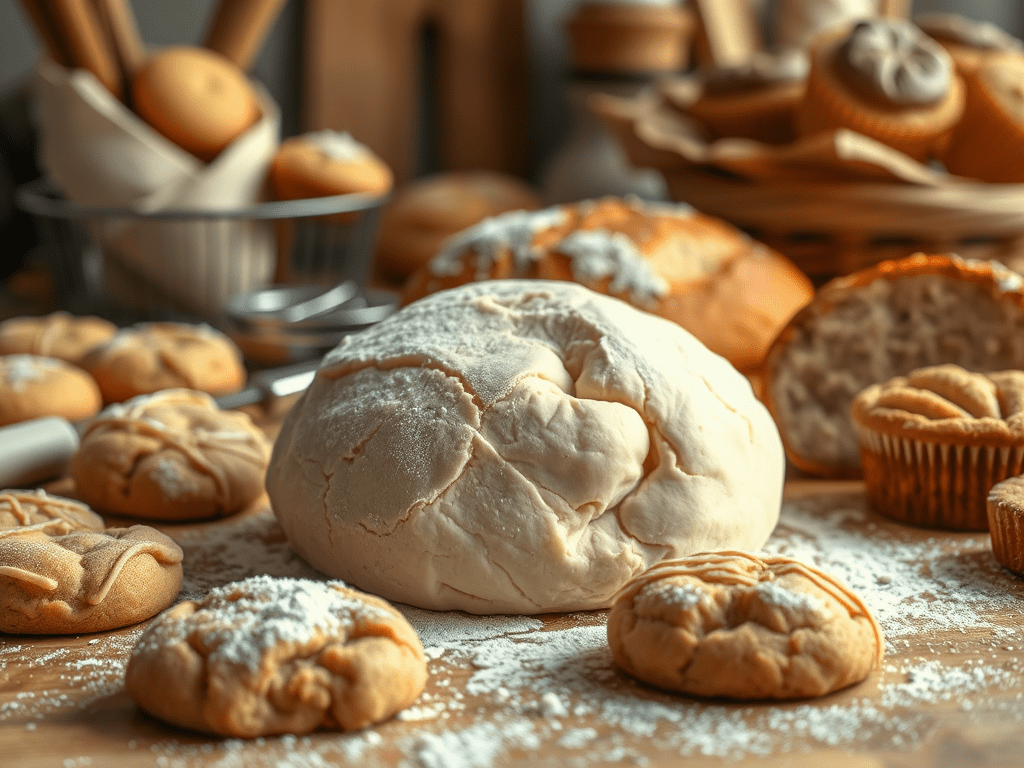
If you’ve ever followed a recipe perfectly. You measured every gram. You preheated your oven like a pro. You even whispered a little prayer over your batter. Despite all these efforts, you end up with a cake that’s a bit dense. Your bread falls flat, or your cookies spread too much… this post is for you.
One of the most overlooked steps in home baking isn’t a technique, a tool, or a trendy ingredient.
It’s resting.
Yep. Let your dough or batter sit quietly and undisturbed. Sometimes, this can be for minutes. Other times, it may be for hours. Doing this can and will completely transform your results. Let’s break down why.
🥣 1. Rest Helps Ingredients Fully Hydrate
Flour needs time to absorb liquid. When you allow a dough or batter to rest:
- Cookies hold their shape better
- Pancakes become fluffier
- Rustic breads get a stronger, more elastic structure
Try letting your chocolate chip cookie dough chill for 12–24 hours. The flavor deepens and the texture becomes beautifully chewy.
🍞 2. Gluten Relaxes (Which Means Softer Bakes)
Whenever you stir, knead, or mix, you’re developing gluten. Gluten is good—it’s what gives breads their chew—
but too much gluten in cakes, muffins, and quick breads can make them tough.
A short rest lets the gluten relax, leading to:
- Softer muffins
- Tender, airy cakes
- A more even crumb
If your muffins often dome aggressively or tunnel inside, a 10-minute rest before scooping can help.
🍪 3. Flavors Meld and Deepen
Think of resting like giving your ingredients a chance to get to know each other.
Sugar dissolves. Spices bloom. Butter firms up.
This is why rested cookie dough tastes richer and more caramelized.
❄️ 4. Temperature Matters, Too
A rest doesn’t always mean “let it sit on the counter.”
Chilling:
- Prevents butter-based doughs from spreading
- Makes pie crusts flakier
- Enhances caramelization without burning
Resting warm doughs:
- Encourages proper fermentation
- Improves flavor in yeasted breads
Final Thoughts
Resting might be the simplest change you can make to improve your baking—but it’s one that even advanced bakers swear by. So the next time you’re tempted to rush your dough into the oven, take a breath, set a timer, and let the magic happen.
Whether you bake cookies, muffins, bread, or pastries, understanding resting time is key to achieving professional-level results at home.
Read more for reasons why and an extra special trick for muffins!
Who doesn’t love beautiful rests?

Recommended Resting Times for Common Baked Goods

| Bake Type | Ideal Rest Time | Why It Works |
|---|---|---|
| Cookie dough | 12–24 hours (fridge) | Enhances flavor, prevents spreading |
| Muffin batter | 15–30 minutes | Creates taller, softer muffins |
| Pancake batter | 10–15 minutes | Results in fluffier pancakes |
| Pie crust dough | 1–2 hours (fridge) | Firms butter for flaky layers |
| Pizza/yeast dough | 1–24 hours (fridge or counter) | Strengthens gluten, improves flavor |
| Cake batter | 5–10 minutes | Evens texture without overmixing |
🌟 Try This: The “30-Minute Magic” Muffin Trick
Before you bake your next batch of muffins:
- Mix the batter until just combined.
- Let it rest for 30 minutes at room temperature.
- Bake as usual. I usually recommend a higher temp for a short period then back to around 350.
You’ll get loftier, more tender muffins with domes that look straight out of a bakery display.
 The Baking Cat
Leave a comment